LATEST NEWS & TIPS
ADVATAGES OF EXERCISING ON SAND:
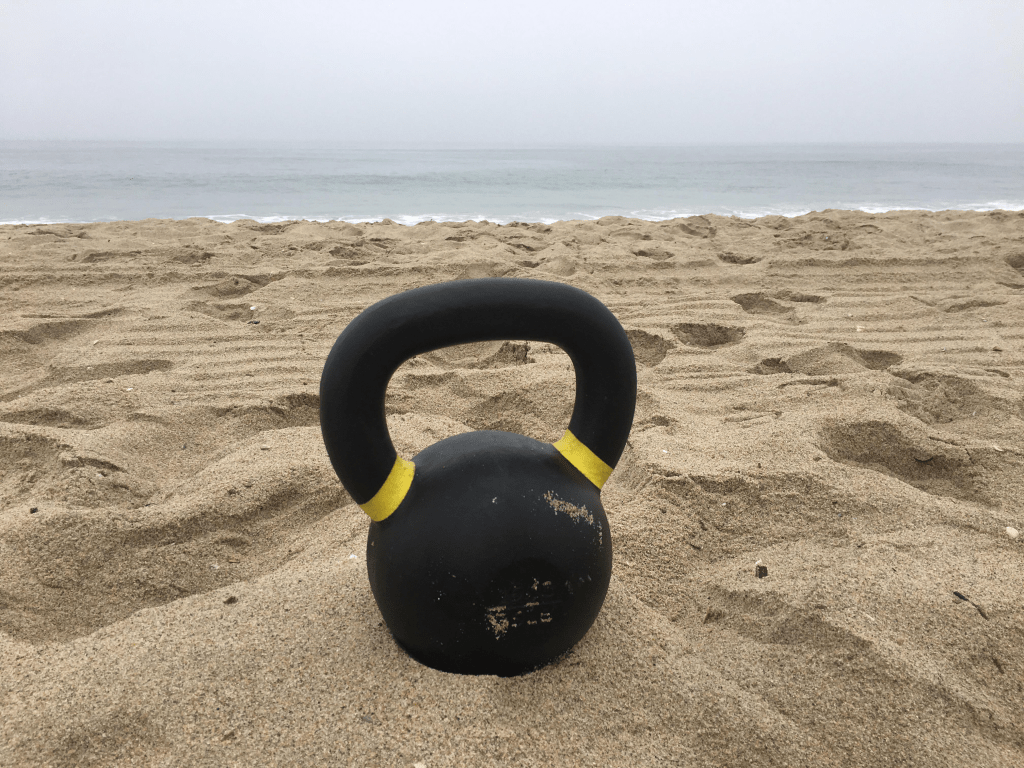
Training on sand, commonly referred to as sand training or beach training, offers several advantages for athletes and fitness enthusiasts. Here are some key benefits:
Increased Resistance: Sand provides a more challenging surface compared to solid ground due to its instability. Training on sand requires more effort and engages additional muscles, particularly stabilizing muscles, to maintain balance and perform exercises effectively. This enhances overall strength and endurance.
Joint-Friendly: Sand is softer than hard surfaces like concrete or asphalt, which reduces impact on joints during activities like running or jumping. This makes sand training an excellent option for individuals recovering from injuries or looking to minimize stress on joints.
Improved Proprioception: The uneven and shifting nature of sand demands heightened proprioception—your body’s awareness of its position and movement in space. Regular sand training can enhance balance, coordination, and spatial awareness, which can translate into better athletic performance in other environments.
Enhanced Cardiovascular Conditioning: Running or performing aerobic exercises on sand requires greater effort due to the increased resistance. This can lead to improved cardiovascular fitness, endurance, and calorie burn compared to training on a solid surface.
Variety of Exercises: Sand allows for a wide range of exercises that might not be possible or as effective on other surfaces. This includes plyometric drills, agility training, strength training, and even yoga or stretching routines.
Nature’s Influence: Exercising in a natural outdoor setting like the beach offers psychological benefits, including reduced stress and increased enjoyment. The calming sounds of waves and fresh air can contribute to a more positive workout experience.
Injury Prevention and Rehabilitation: Sand can serve as an effective medium for injury prevention and rehabilitation. It can be used for exercises that promote ankle stability, strengthen the feet, and improve overall body mechanics.
Calorie Burn and Fat Loss: The increased effort required for sand training often results in a higher calorie burn compared to training on harder surfaces. This can be advantageous for those aiming to lose weight or improve body composition.
When incorporating sand training into a fitness regimen, it’s important to start gradually and pay attention to proper technique to avoid injuries. Sand training can be a versatile and enjoyable addition to workouts, offering unique challenges and benefits for individuals of various fitness levels and goals.

BENEFITS OF OUTDOOR TRAINING:
Making the most of your outdoor workout involves planning, motivation, and creativity. Here are some tips to optimize your outdoor fitness routine:
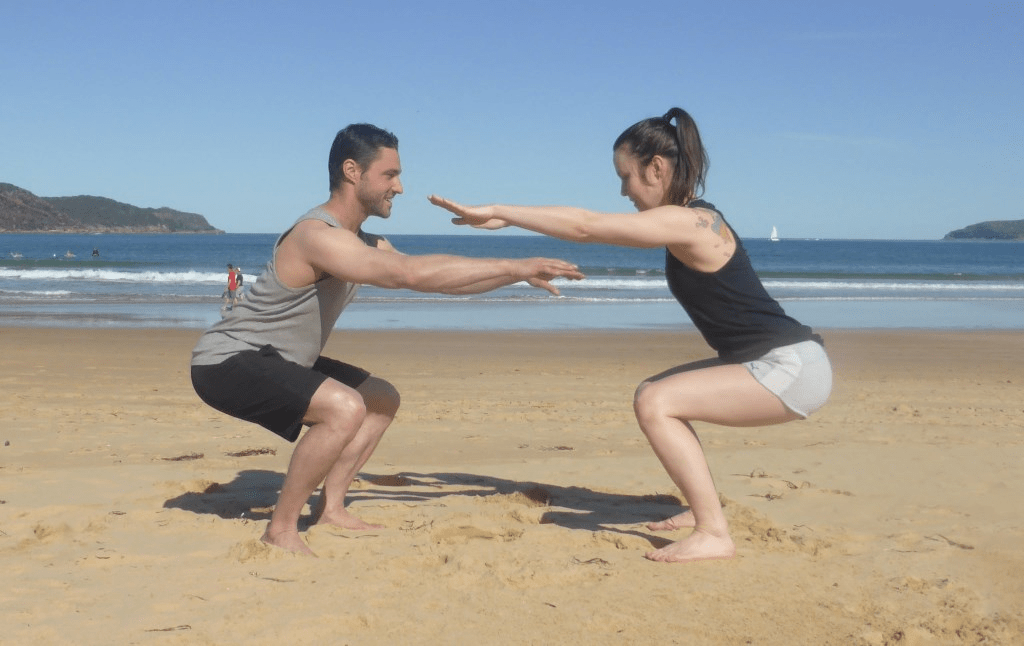
- Choose the Right Location: Select a scenic and safe outdoor spot that motivates you. It could be a local park, beach, hiking trail, or even your neighborhood streets.
- Set Specific Goals: Determine what you want to achieve from your workout—whether it’s cardio, strength training, flexibility, or a combination. Having clear goals will guide your routine.
- Use Bodyweight Exercises: Incorporate exercises like push-ups, squats, lunges, and planks that don’t require equipment. They are effective for building strength and can be done anywhere.
- Interval Training: Incorporate intervals of high-intensity exercises (like sprints or jumping jacks) with periods of rest. This boosts calorie burn and improves cardiovascular fitness.
- Utilize Natural Elements: Use benches for step-ups, tricep dips, or incline push-ups. Tree branches or bars can be used for pull-ups or hanging leg raises.
- Incorporate Props: Bring along resistance bands, jump ropes, or a yoga mat to diversify your workouts and add resistance or comfort to your routine.
- Stay Hydrated: Outdoor workouts can be more dehydrating due to sun exposure and increased sweating. Carry a water bottle and sip regularly.
- Mindful Exercise: Take in your surroundings and practice mindfulness. Enjoy the fresh air and natural beauty around you while focusing on your movements.
- Vary Your Routine: Keep things interesting by changing your route or exercises regularly. This prevents boredom and ensures a full-body workout.
- Safety First: Pay attention to your surroundings, wear appropriate clothing and sunscreen, and be mindful of weather conditions.
- Post-Workout Stretching: Finish your workout with stretching to improve flexibility and prevent muscle soreness.
- Have Fun: The outdoors offers a limitless playground for fitness. Make your workout enjoyable by exploring new areas and embracing the freedom of outdoor exercise.
Remember, the key to making the most of your outdoor workout is to stay consistent and adaptable. Embrace the natural environment and let it inspire you to achieve your fitness goals.
 JBay Beach Fitness